
In the Beginning
- Krystal L. Beers
- Feb 26, 2024
- 3 min read
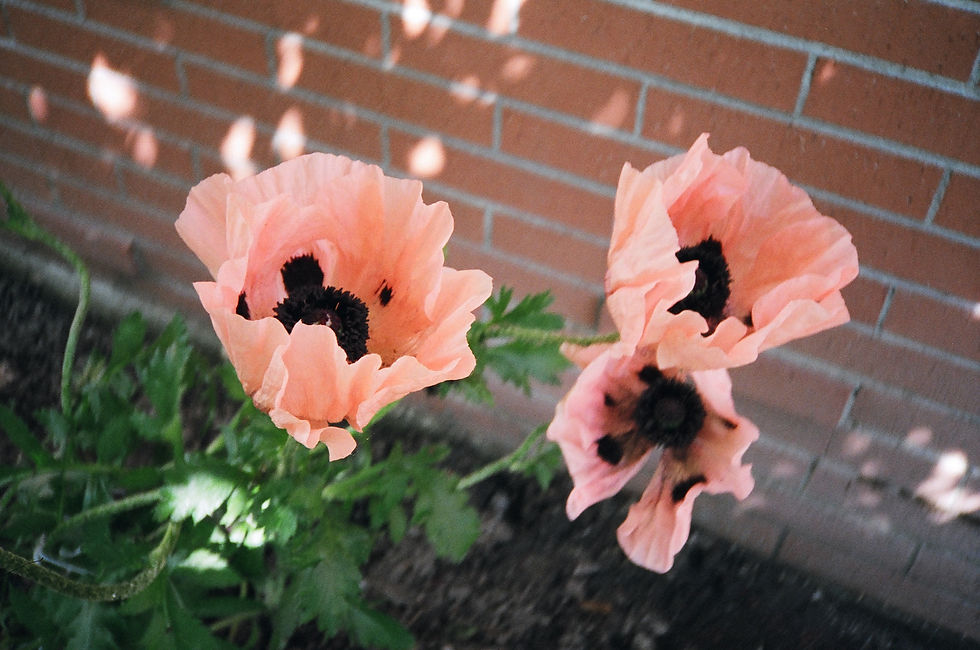
2024 marks the beginning of being a flower grower. I am over the moon excited!
Most of the advice for new growers is “start small, dream big”. I can certainly do both of those!
I thoroughly enjoy research so winter has been spent reading through numerous books (and web resources) on all things flower growing. That’s a joy in itself! Reaching out to online communities of growers to learn from their first-hand experience has been tremendously helpful.
First things first, decide where to locate the flower beds. That was easy since I already had a protected, designated garden area. The 25’ x 20’ corner had been unused which also worked out well for my flowering dream.
What size would each bed be? I determined a comfortable reach for my not-so-young body. Work smarter not harder, right! My reach is no more than 2’. Some of the beds are 4’ with accessibility from both sides.
The paths are 18”, not too small to feel cramped maneuvering between blossom-laden plants, but not too large to take up valuable growing space.
Minus the paths, this gives me approximately 390 square feet of growing space.
Seems nano rather than micro-scale, but it suits me just fine! There is room to grow.
The beds are semi-hugelkultur: wood is laid down in a 1’ foot deep bed, wire for critter protection on top of the wood, and then a mix of homemade compost and soil on top. We use this method because our soil drains rapidly and it gets very hot in summer so every drop of moisture counts.
For weed control the paths will be planted in microclover. I prefer to stay away from the use of plastics when possible. Pine straw (needles) and raw wool from our flock of heritage sheep are used as mulch on the beds. Mulch serves many purposes: moisture retention, keeping the soil warmer in spring and cool in our hot summers, putting nutrients back into the soil, keeping worms etc. happy.
The microclover seldom needs to be cut, but when it does that material is left to compost in place. In autumn, it will be forked onto the flower beds to decompose and naturally amend the soil for next year’s flower crop. This is based on regenerative permaculture principles.
Fertilizer is compost and/or comfrey teas, as well as slow release nitrogen from the wool mulch. Chemicals are never used anywhere on our ranch (or with our livestock)!
A quote I recently read goes: “If something isn’t eating your plants, then your garden isn’t part of the ecosystem.” While I don’t relish critters eating my beautiful plants, I am happy to allow for loss if it means my blooms and posies are chemical free.
Narrowing down the flower varieties to grow was tough, to say the least! I absolutely adore flowers. There are so, so many I want to grow! Choosing pollinator-friendly varieties is very important. The same goes for old-fashioned heirlooms. And then when you consider all of the colors in each variety, oh my, it could have gotten out of hand rather quickly! See my 2024 growing list blog post.
Finally, who tends the flower garden? My wonderfully supportive husband Tom does most of the heavy work since limitations due to a neurological disease limit me in that area. Me, myself, and I do the planting, weeding, watering, deadheading, harvesting, and flower arranging.
I also do all of the marketing (social media and in person), design, photography, graphics, writing for the blog, etc. Tom and I will usually take the posies into Republic (30-minutes away) together each week.
I’m so happy to have you following along on my flower adventure!
Krystal
Follow us on social media and like our page!
Facebook: @PosiesatHighlandGlennRanch
Instagram: @HighlandGlennRanch


